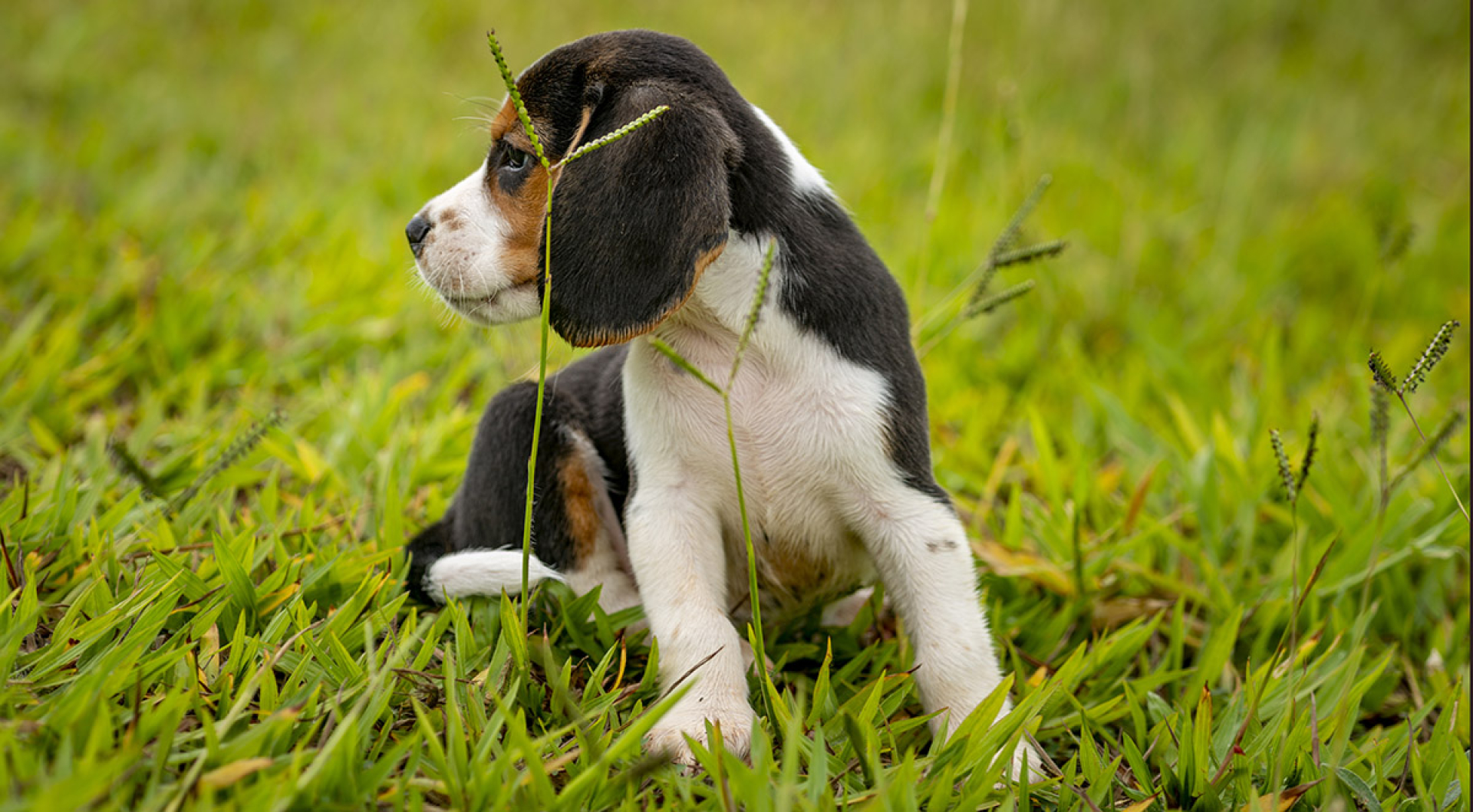
Puppy Exercise Is Different from Adult Dog Exercise
Before you apply the exercise habits you had with a previous adult dog to your new puppy, it is worth understanding one critical difference: puppies have open growth plates. Growth plates are soft areas of developing cartilage located near the ends of the long bones. They remain open and vulnerable until a puppy reaches skeletal maturity, which varies considerably by breed but generally occurs somewhere between nine months and two years of age.
Overexercising puppies before their growth plates close can cause lasting damage. Repetitive high-impact activity, excessive jumping, and forced running on hard surfaces can injure these soft tissue areas, potentially leading to joint problems, limb deformities, and early-onset arthritis. This does not mean puppies should be sedentary. It means their activity should be age-appropriate, varied, and carefully managed.
Underexercising carries its own set of problems. Puppies with unmet energy needs tend to channel that energy into destructive behavior, excessive barking, anxiety, and difficulty settling. Physical activity also plays a direct role in healthy neurological development, socialization, and confidence building.
The goal is balance, and understanding breed exercise differences is where that balance begins.
The Five-Minute Rule: A Starting Framework
A widely referenced guideline from veterinary and canine development communities is the five-minute rule: provide roughly five minutes of structured exercise per month of age, up to twice per day. A three-month-old puppy would receive approximately 15 minutes of structured activity per session, while a five-month-old could handle up to 25 minutes.
This rule is a helpful baseline, but it applies primarily to structured, on-leash, or controlled exercise rather than free play. Free play on soft surfaces, like a grassy yard or carpeted room, is generally lower impact and can happen for longer periods because puppies naturally self-regulate the intensity and stop when they need a rest.
The key distinction to keep in mind:
- Structured exercise includes leash walks, fetch sessions, agility drills, or any activity you are directing
- Free play includes puppy-initiated movement, sniffing, exploring, and play with other dogs or toys
- Mental exercise includes training, puzzle feeders, and scent games, which are low-impact and excellent for tiring a puppy out without taxing developing joints
A well-rounded puppy fitness routine draws from all three categories rather than relying on structured physical exercise alone.
Breed Exercise Differences: What Your Puppy's Background Tells You
Breed background is one of the strongest predictors of puppy activity levels and exercise needs. Understanding what your puppy was originally bred to do gives you a useful window into their natural energy output and the kinds of activity they are likely to find most satisfying.
High-Energy Breeds
Working breeds, herding breeds, and sporting breeds tend to have the highest baseline energy levels. These include dogs like Goldendoodles, Labradoodles, and many of the active designer breeds that bring together high-drive parent lines. Even as puppies, these dogs need consistent activity and mental stimulation to stay balanced.
During the puppy phase, high-energy breeds benefit from:
- Multiple short exercise sessions throughout the day rather than one long one
- Enrichment activities like training, sniff walks, and puzzle feeders between physical activity
- Socialization with other puppies, which provides both mental and physical engagement
- Learning basic commands early, since mental stimulation is just as tiring as physical output
As these puppies mature and their growth plates close, their structured exercise time can increase substantially. But during the first year, the priority is keeping them engaged without overdoing it.
Read our blog about why mixed breed puppies live longer and healthier lives.
Small and Toy Breed Puppies
Small dog exercise requirements are often misunderstood in both directions. Some owners assume a small puppy needs very little activity, while others exercise their tiny puppy on the same schedule they would use for a larger dog. Both approaches can cause problems.
Small breed puppies tire more quickly and are more vulnerable to overexertion than their size might suggest. Their little legs are working hard to keep up, and their bones, while small, are still developing on the same growth plate timeline. Additionally, small breeds are prone to hypoglycemia in puppyhood, and excessive activity without adequate rest and nutrition can trigger dangerous blood sugar drops.
Low-Energy and Brachycephalic Breeds
Some breeds are naturally lower energy or have physical characteristics that affect how they exercise. Brachycephalic breeds, those with flat or shortened muzzles, can struggle with breathing during exertion and overheat more quickly than other dogs. This is especially important to account for in warm weather.
For puppies in this category, exercise should be:
- Scheduled during cooler parts of the day in warm months
- Kept to gentle, low-intensity activity
- Monitored carefully for signs of respiratory distress, including loud breathing, excessive panting, or blue-tinged gums
- Supplemented heavily with calm mental enrichment
Read our blog: The best insurance for your puppy’s health is providing proper care.
Indoor vs Outdoor Exercise: Making the Most of Both
The indoor vs outdoor exercise question comes up frequently, especially for owners in apartments, colder climates, or areas where outdoor space is limited. The good news is that a significant portion of a young puppy's exercise needs can be met indoors, particularly during the early months.
Indoor Exercise Ideas for Puppies
- Training sessions: Even five to ten minutes of practicing sit, stay, come, and other basic commands is mentally tiring and helps build impulse control
- Hide and seek with toys or treats: Encourages the sniffing and searching behavior that dogs find naturally rewarding
- Gentle tug games: Appropriate for puppies once they understand the rules, tug is a great energy outlet that does not require high-impact movement
- Stair-free fetch: In a hallway or living room using a soft toy, fetch can burn energy without the joint stress of outdoor running on hard ground
- Socialization exposure: Introducing your puppy to different sounds, textures, people, and experiences inside the home is both mentally stimulating and developmentally important
Outdoor Exercise Ideas for Puppies
- Sniff walks: Letting your puppy lead and sniff freely rather than maintaining a brisk pace is a low-impact, high-enrichment form of outdoor exercise
- Grass-surface play: A yard or park with soft grass is gentler on developing joints than pavement or concrete
- Puppy playdates: Social play with other vaccinated, appropriately sized puppies provides natural physical exercise and critical socialization
- Exploration walks: Short outings to new environments introduce your puppy to the world while keeping physical exertion low
Signs You Are Overexercising Your Puppy
Knowing the warning signs of overexercising puppies is just as important as knowing how much exercise to provide. Puppies do not always stop when they should, and it is up to you to recognize when enough is enough.
If you notice any of these signs consistently, reduce the intensity and duration of exercise and consult your veterinarian. Occasional tiredness after activity is completely normal, but persistent soreness or reluctance to move warrants a professional evaluation.
Building a Puppy Exercise Routine
Consistency matters more than intensity when it comes to puppy fitness. A predictable daily routine helps your puppy know what to expect, reduces anxiety, and makes it easier to manage their energy throughout the day.
A sample daily framework for a four-month-old medium-sized puppy might look like this:
- Morning: 15 to 20-minute leash walk on grass, followed by a short training session
- Midday: Free play in a safe, contained area or a puzzle feeder for mental enrichment
- Afternoon: Another short training session or calm indoor play
- Evening: A gentle sniff walk or light outdoor play, then quiet wind-down time before bed
Adjust the timing and duration based on your individual puppy's breed, energy level, and how they are responding. Some puppies need more stimulation; others genuinely do well with less. Observing your own puppy carefully is always the most reliable guide.
Frequently Asked Questions About Puppy Exercise
How much exercise does a puppy need per day?
A useful starting point is the five-minute rule: five minutes of structured exercise per month of age, up to twice daily. This is a guideline rather than a strict rule, and it applies to structured activity. Free play and mental enrichment can be layered in throughout the day on top of this baseline. Always watch your individual puppy's response and adjust accordingly.
Can puppies get too much exercise?
Yes, and the risks are significant during the puppy phase when growth plates are still open. Overexercising puppies on hard surfaces, forcing long runs, or repeatedly having a puppy jump from heights can cause growth plate injuries that lead to long-term joint problems. High-impact activity should be limited until your veterinarian confirms that your puppy has reached skeletal maturity.
Are small dog exercise requirements different from large breed puppies?
Small breed puppies generally need shorter, gentler activity sessions and are more prone to fatigue and hypoglycemia during exertion. Large breed puppies, while they may have more stamina, actually carry more risk of growth plate injury from high-impact exercise because of their size and the stress that places on developing joints. Both benefit from age-appropriate, low-impact exercise with plenty of rest built in.
What counts as mental exercise for a puppy?
Mental exercise includes anything that engages your puppy's brain rather than just their body. Training sessions, puzzle feeders, sniff games, hide and seek with treats, learning new commands, and exploring novel environments all qualify. Mental stimulation can be just as tiring as physical activity and is an essential component of puppy fitness, particularly on days when outdoor exercise is limited.
When can I start running or hiking with my puppy?
This depends significantly on your puppy's breed and size. As a general guideline, most veterinarians recommend waiting until growth plates have closed before starting any sustained, high-impact activity like running or long-distance hiking. For small breeds, this may be as early as nine to ten months. For large and giant breeds, it could be 18 months or later. Your vet can advise you on the right timing for your specific puppy.
How do breed exercise differences affect designer breed puppies?
Designer breeds can inherit the exercise tendencies of either parent breed, and sometimes both at once. A cross between two high-energy breeds is likely to need significant activity, while a cross involving a calmer parent may land somewhere in the middle. It helps to research both parent breeds and observe your individual puppy's natural energy output over the first few months to get a clear read on what they specifically need.
Conclusion
Puppy exercise needs are not one-size-fits-all, and understanding the factors that shape your specific puppy's activity requirements sets the stage for a healthier, happier life together. From the five-minute rule to breed exercise differences, from indoor vs outdoor exercise options to the warning signs of overexercising puppies, having accurate information means you can make confident decisions throughout every stage of your puppy's development.
Have questions about welcoming a new puppy into your home and setting them up for success? The team at Healthy Pups would love to help. Visit our contact page to get in touch with us today.