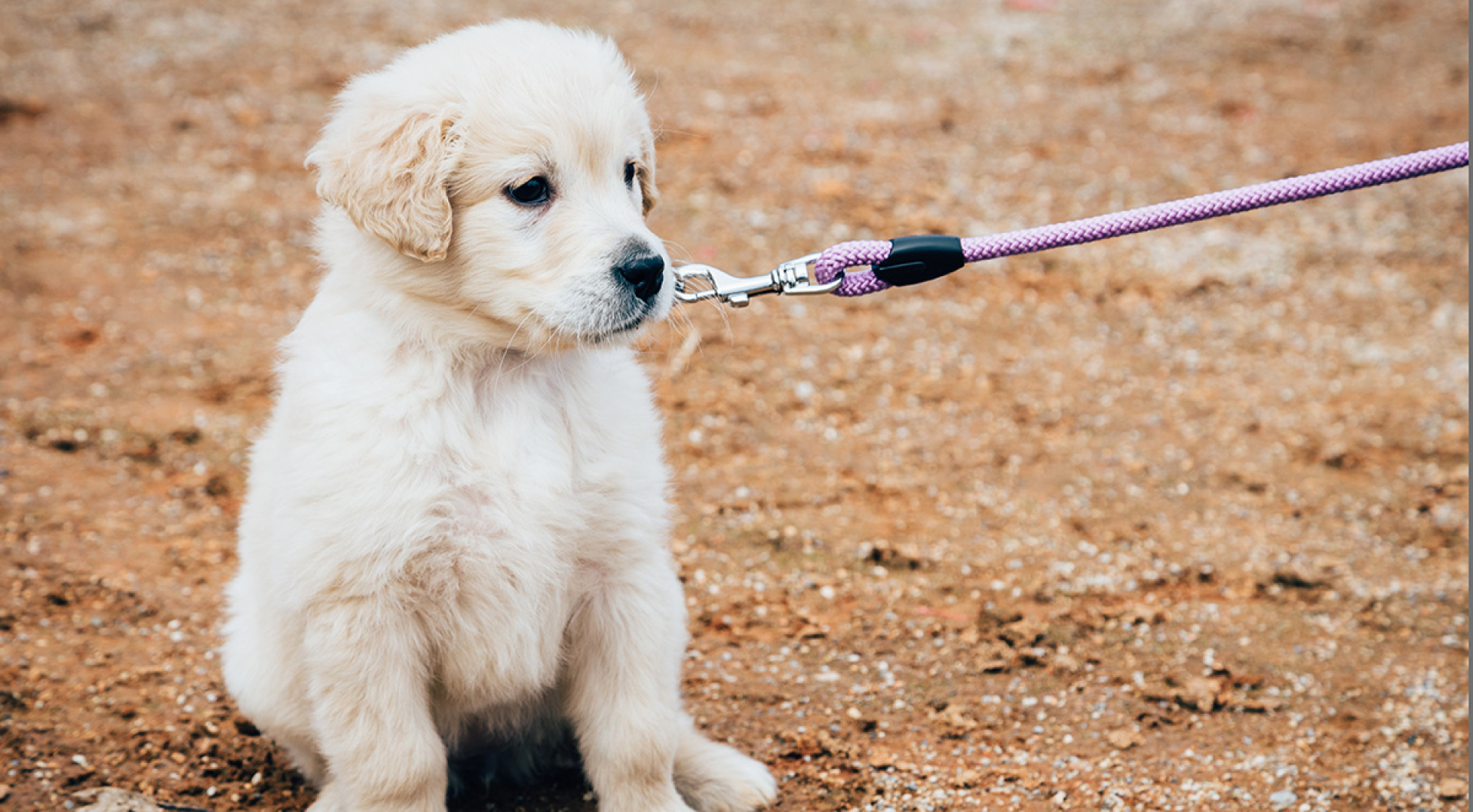
The Critical Socialization Window
The most crucial period for puppy socialization occurs between 3 and 14 weeks of age. During this narrow window, puppies are neurologically primed to absorb new experiences and form positive associations with people, animals, environments, and situations they'll encounter throughout their lives.
This critical period continues throughout the first year and beyond. However, the experiences your puppy has during those early weeks have an outsized impact on their future behavior and confidence.
Puppy Development Stages
Understanding where your puppy is developmentally helps you tailor socialization appropriately:
Neonatal Period (0-2 weeks): Puppies are entirely dependent on their mother, with limited sensory awareness. Socialization during this stage is the breeder's responsibility.
Transitional Period (2-4 weeks): Eyes and ears open, and puppies begin interacting with littermates. Early neurological stimulation by responsible breeders during this time provides early socialization benefits.
Primary Socialization Period (3-12 weeks): This is the golden window. Puppies are curious, resilient, and ready to learn about their world. Positive experiences during this stage shape lifelong behavioral patterns.
Fear Impact Period (8-11 weeks): Puppies may show increased caution or fear responses. Handle this stage with extra care, avoiding overwhelming or traumatic experiences.
Juvenile Period (3-6 months): Socialization continues as puppies gain independence and test boundaries. Consistency and continued positive exposure remain critical.
Early Socialization Benefits
Proper socialization during puppy development stages creates dogs who are:
- Confident in new environments rather than fearful or reactive
- Comfortable with handling by veterinarians, groomers, and strangers
- Relaxed around other dogs and animals
- Adaptable to changes in routine or environment
- Less prone to anxiety-based behavioral problems
- Easier to train due to reduced fear and stress
- Better equipped to handle the unexpected throughout their lives
These early socialization benefits compound over time. A puppy who learns that new experiences are positive approaches life with curiosity rather than apprehension, making every future experience—from vet visits to travel—significantly easier.
Safe Socialization Before Full Vaccination
One common concern prevents many owners from properly socializing young puppies: the vaccination schedule. Puppies aren't fully protected against diseases like parvovirus until they complete their vaccine series around 16 weeks. However, waiting until full vaccination means missing the critical socialization window entirely.
The solution is thoughtful, strategic socialization that balances disease risk with behavioral health needs. The American Veterinary Society of Animal Behavior states that behavioral issues, not infectious diseases, are the number one cause of death for dogs under three years of age—making early socialization a critical health intervention.
Safe Socialization Strategies
Carry your puppy to public places. You can take your puppy to pet stores, outdoor cafes, and parking lots without setting them down. This exposes them to sights, sounds, and people while minimizing disease exposure.
Invite vaccinated, friendly dogs to your home. Host controlled meetings with dogs you know are healthy, fully vaccinated, and good with puppies. Your home is a safe environment for these interactions.
Puppy socialization classes with health requirements. Many trainers offer puppy kindergarten classes that require at least one round of vaccines and recent deworming. The American Veterinary Society of Animal Behavior supports these classes, as the controlled environment with health-screened puppies provides vital socialization.
Focus on varied experiences in safe locations. Your home, yard, car, and friend's homes offer countless socialization opportunities without high disease risk.
The Socialization Checklist: What Your Puppy Needs to Experience
A comprehensive puppy socialization guide includes exposure to a wide variety of people, places, animals, surfaces, sounds, and handling. The goal isn't just exposure—it's creating positive associations with each new experience.
People and Handling
Puppies should meet diverse people in various contexts:
- Men, women, and children of different ages
- People wearing hats, sunglasses, uniforms, or carrying objects
- People of different ethnicities and physical appearances
- People using mobility aids like wheelchairs, walkers, or canes
- People with beards, different hairstyles, or varied clothing
Practice gentle handling exercises daily:
- Touch and hold each paw for increasing durations
- Gently examine ears, eyes, and mouth
- Practice picking up and holding your puppy in different positions
- Simulate veterinary examinations
- Introduce grooming tools like brushes and nail clippers (without actually clipping initially)
Environmental Experiences
Expose your puppy to different environments and situations:
- Various floor surfaces: tile, carpet, hardwood, grass, gravel, sand
- Stairs and different elevations
- Vehicles: car rides, parking lots, drive-throughs
- Different weather conditions: rain, wind, snow
- Urban and rural settings
- Crowds and quiet spaces
- Outdoor activities like walking past construction or traffic
Sounds and Noises
Gradually introduce your puppy to common household and environmental sounds:
- Vacuum cleaners, blenders, and kitchen appliances
- Television and music at various volumes
- Doorbells and knocking
- Fireworks and thunder (using recorded sounds at low volume initially)
- Traffic noise, sirens, and horns
- Children playing and screaming
- Other dogs barking
Start at low volumes and gradually increase intensity as your puppy shows comfort, always pairing sounds with positive experiences like treats or play.
Animal Interactions
Socializing young puppies with other animals requires careful supervision and positive experiences:
- Other vaccinated, puppy-friendly dogs
- Cats (if safely possible)
- Small animals your puppy might encounter (from a safe distance)
- Livestock or farm animals (if relevant to your lifestyle)
Always supervise animal interactions closely and intervene before situations become overwhelming or negative.
Building Puppy Confidence Building Through Positive Experiences
Every socialization experience should be positive or, at minimum, neutral. Creating positive associations is more important than checking items off a list. Quality trumps quantity—one overwhelmingly negative experience can undo weeks of careful socialization.
The Three-Second Rule
When introducing something new, watch your puppy's body language closely. If they show stress signals (tucked tail, pinned ears, trying to escape, trembling), you've pushed too far too fast. Remove your puppy from the situation immediately and try again later with more distance, lower intensity, or shorter duration.
Creating Positive Associations
Make every new experience rewarding:
- Bring high-value treats to socialization outings
- Use excited, encouraging verbal praise
- Allow your puppy to approach new things at their own pace
- Keep sessions short and end on a positive note
- Never force your puppy into situations that terrify them
Recognizing Stress vs. Healthy Caution
Some hesitation is normal and healthy—puppies should develop appropriate caution about potential dangers. However, prolonged fear, panic, or refusal to recover from stress indicates you need to slow down and adjust your approach.
Healthy caution looks like: brief pause, sniffing, then moving forward with encouragement. Problematic fear looks like: freezing, desperate attempts to escape, or complete shutdown.
Read our blog about why designer dogs make great pets.
Puppy Training Milestones During Socialization
Socialization and training go hand-in-hand. As you expose your puppy to new experiences, incorporate basic training that builds confidence and communication.
Age-Appropriate Training Goals
8-10 weeks:
- Name recognition and attention
- Basic handling and touch acceptance
- Introduction to positive reinforcement
- Beginning house training
- Gentle exposure to collar and leash
10-12 weeks:
- Sit and down commands
- Beginning recall (come when called)
- Walking on leash without pulling
- "Leave it" for safety
- Crate training for comfort in confinement
12-16 weeks:
- Stay for short durations
- Reliable recall in distracting environments
- Polite greeting behaviors
- Basic impulse control
- Continued refinement of earlier commands
These puppy training milestones should occur within the context of socialization. Practice commands in various locations with increasing distractions to generalize learning.
Common Socialization Mistakes to Avoid
Even well-intentioned owners can make errors that undermine behavioral development:
Flooding: Overwhelming your puppy with too much stimulation too quickly. This creates fear rather than confidence. Always work at your puppy's pace and watch for stress signals.
Forced interaction: Dragging a reluctant puppy toward something scary or holding them while they struggle. This teaches puppies they can't trust you to keep them safe.
Inconsistent experiences: Socializing intensely for a week then stopping for months. Consistency matters more than intensity—regular, brief exposures work better than sporadic marathon sessions.
Assuming all dog interactions are beneficial: Not all dogs are good with puppies. One negative experience with an aggressive or overly rough dog can create lasting fear. Always supervise and ensure interactions are appropriate.
Neglecting continued socialization: Many owners stop socializing once the critical window closes. Socialization is a lifelong process requiring ongoing maintenance.
Addressing Fear Periods and Setbacks
Puppies naturally experience fear periods during development—times when they suddenly become wary of things that didn't bother them before. These typically occur around 8-11 weeks and again during adolescence around 6-14 months.
During fear periods:
- Don't force your puppy to confront fears
- Maintain normal routines to provide stability
- Counter-condition by pairing scary things with rewards from a safe distance
- Avoid introducing major new experiences during peak fear periods
- Be patient—these periods pass naturally with supportive handling
If your puppy develops specific fears despite proper socialization, work with a qualified trainer who uses positive reinforcement methods. Early intervention prevents fears from becoming phobias.
Frequently Asked Questions
When should I start socializing my puppy?
Start socialization as soon as you bring your puppy home, typically around 8 weeks old. The critical window is 3-14 weeks, so every day counts. Focus on safe exposures in your home and controlled environments until your veterinarian clears your puppy for broader socialization.
How do I socialize my puppy if I work full-time?
Maximize the time you have by incorporating socialization into daily activities. Take your puppy on errands (carried or in a carrier if not fully vaccinated), invite friends over during lunch breaks, play recorded sounds during feeding, and dedicate weekend time to specific socialization outings. Puppy daycare or a dog walker can also provide midday socialization opportunities.
What if my puppy is naturally shy or fearful?
Shy puppies need socialization even more than confident ones, but require a gentler, slower approach. Work at greater distances from stimuli, use higher-value rewards, keep sessions shorter, and never force interaction. Some puppies naturally have more cautious temperaments—respect their personality while gradually building confidence.
Read our blog on different dog personalities.
Can I over-socialize my puppy?
Yes, it's possible to overwhelm puppies with too much stimulation. Watch for stress signals like excessive panting, yawning, lip licking, or attempts to hide. Puppies need downtime to process experiences. Balance active socialization with quiet rest periods.
Is it too late to socialize an older puppy or adolescent dog?
It's never too late to improve socialization, though it becomes more challenging after the critical window closes. Older puppies and adolescent dogs can still learn to feel comfortable in new situations through systematic desensitization and counter-conditioning. Progress may be slower, but significant improvement is possible with patience and consistency.
Building a Confident Future
Proper puppy socialization guide implementation during those critical early months creates a foundation for a lifetime of confidence and adaptability. The time and effort you invest now pays dividends in every veterinary visit, every walk through the neighborhood, every introduction to new people or animals, and every unexpected situation your dog encounters.
Your role is to be your puppy's advocate and guide, making the world feel safe and interesting rather than overwhelming or frightening. With thoughtful, consistent socialization during puppy development stages, you're setting your puppy up for a confident, happy life as your companion.
Need guidance on your puppy's socialization journey? Contact us to learn how we can support you in raising a well-adjusted, confident dog.