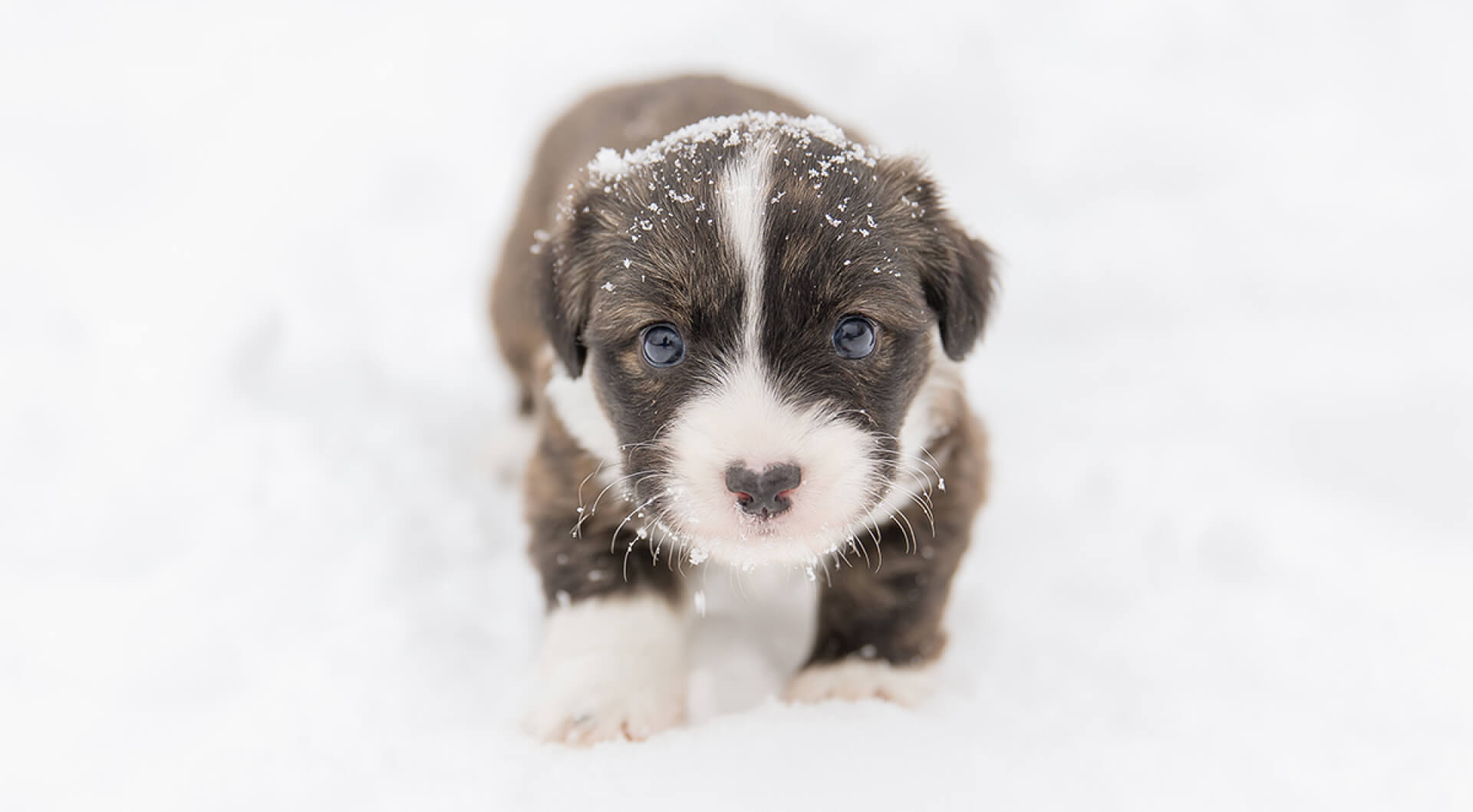
At Healthy Pups, we've spent over 40 years caring for small breed puppies through all seasons, and we're sharing our expertise to help you navigate the challenges winter brings for your tiny friend.
Why Small Breeds Need Extra Winter Protection
Small breed puppies face unique challenges during winter months that their larger counterparts might handle with ease. Understanding these challenges is the first step in proper winter puppy care:
Heat Loss Factors in Small Breeds
Small dogs lose body heat more quickly than larger breeds for several reasons:
- Higher surface-area-to-volume ratio - Smaller bodies have proportionally more surface area from which heat can escape
- Less body fat - Many toy breeds have less insulating body fat
- Closer proximity to the ground - Small dogs' bodies are closer to cold surfaces like snow, ice, and frozen ground
- Thinner coats - Many popular small breeds like Yorkiepoos and Maltipoos have fine hair rather than thick, insulating fur
Breed-Specific Cold Sensitivity
Different small breeds handle cold differently based on their coat type, body composition, and origin:
- Maltipoos and Yorkiepoos - Their single-layer coats provide minimal insulation against cold
- Teddy Bears (Shichons) - Slightly better insulated but still need protection in freezing temperatures
- Cavapoos - Often have more substantial coats but still require winter protection
- Poogles - May have slightly better cold tolerance but still need monitoring in winter conditions
Puppies of all breeds are even more vulnerable than adult dogs, as they haven't fully developed their ability to regulate body temperature.
Essential Winter Gear for Small Breed Puppies
The right winter accessories can make a tremendous difference in your small puppy's comfort and safety during cold weather. Here's what to consider adding to your puppy's winter wardrobe:
Winter Coats and Sweaters
When selecting winter clothing for small breed puppy safety, look for:
- Full belly coverage - Ensures protection where your puppy's body comes closest to cold ground
- Adjustable fasteners - Allows for proper fit without restricting movement
- Water-resistant outer layer - Protects from snow, sleet, and rain
- Insulating middle layer - Provides warmth without excessive bulk
- Soft inner lining - Prevents chafing on sensitive skin
For breeds like Maltipoos and Yorkiepoos, consider having multiple weights of coats available for different temperature ranges.
Protective Footwear
Booties aren't just a fashion statement—they provide crucial protection for sensitive paws from ice, snow, salt, and de-icing chemicals. Effective puppy booties should have:
- Non-slip soles for traction on icy surfaces
- Adjustable straps that stay secure without cutting off circulation
- Waterproof materials to keep paws dry
- Soft interior to prevent rubbing and irritation
It takes most puppies time to adjust to wearing booties, so begin training sessions indoors before winter arrives.
Additional Winter Accessories
Consider these supplementary items for complete small dog winter protection:
- Snood or neck warmer - Protects ears and neck from wind and cold
- Paw balm - Moisturizes and protects paw pads from cracking
- Reflective gear - Enhances visibility during shorter winter days
- Insulated travel carrier - Provides a warm mobile safe space
No matter the season, choosing the right puppy and providing proper care are the most important.
Creating a Warm Indoor Environment
Even if your small breed puppy has appropriate winter clothing, they'll spend most of their time indoors during the coldest months. Optimizing your home for winter puppy comfort is essential.
Cozy Sleeping Arrangements
Your puppy's sleeping area should be:
- Located away from drafts, windows, and exterior doors
- Elevated from cold floors with insulating materials
- Equipped with warm bedding like self-warming pads or thermal blankets
- Sized appropriately to allow curling up for conserving body heat
Breeds like Teddy Bears and Cavapoos particularly appreciate warm, soft sleeping spots during winter months.
Managing Home Temperature and Humidity
Indoor environmental factors that affect your puppy's winter comfort include:
- Consistent temperature - Aim for 68-72°F when home, no lower than 60°F when away
- Appropriate humidity - Between 30-50% prevents dry skin and respiratory issues
- Draft prevention - Use weather stripping and door sweeps to eliminate cold air infiltration
- Warm zones - Create warmer micro-environments in your puppy's favorite spots
Remember that puppies can't tell you when they're cold, so observation is key. Shivering, seeking warm spots, and reluctance to move are signs your small breed may be uncomfortable.
Indoor Exercise Strategies for Winter
Small breed puppies need regular exercise regardless of weather conditions. When outdoor activities are limited by cold, snow, or ice, try these indoor puppy exercise alternatives:
Mental Stimulation Activities
Keep your puppy's mind engaged with:
- Food puzzles - Challenge your puppy to work for treats
- Training sessions - Short, positive training periods build skills and burn energy
- Scent games - Hide treats for your puppy to find using their nose
- Toy rotation - Introduce "new" toys by rotating existing ones
Physical Exercise Indoors
Provide physical activity with:
- Fetch in hallways - Use soft toys for indoor retrieval games
- Tug-of-war - Gentle pulling games with appropriate toys
- Stair climbing - Supervised stair ascents for puppies old enough for joint safety
- Indoor obstacle courses - Create puppy-friendly agility courses with household items
Breeds like Poogles and Mini Goldendoodles particularly benefit from creative indoor exercise during winter months when their higher energy needs might otherwise go unmet.
Safe Outdoor Time in Winter
While indoor activities are important, most puppies still need some outdoor time, even in winter. Here's how to make outdoor experiences safe for small breeds:
Weather Assessment Guidelines
Before heading outside with your small breed puppy, consider:
- Temperature - Most small breeds become uncomfortable below 40°F
- Wind chill - Can dramatically increase cold exposure risk
- Precipitation - Snow, sleet, and rain increase cold stress
- Sun exposure - Sunny days may feel 10-15 degrees warmer
- Time of day - Midday is typically warmest for outings
Duration Guidelines by Temperature
Adjust outdoor time based on conditions:
|
Temperature |
Maximum Time Outside for Small Breeds |
|
Above 45°F |
Normal activities as tolerated |
|
32-45°F |
20-30 minutes with proper attire |
|
20-32°F |
10-15 minutes with full winter gear |
|
Below 20°F |
5 minutes or less for bathroom breaks |
Monitoring for Cold Stress
Know the signs that your puppy has had enough winter exposure:
- Shivering or trembling
- Lifting paws off the ground
- Slowing down or stopping during walks
- Seeking shelter or trying to return home
- Whining or other signs of discomfort
Breeds like Yorkiepoos and Maltipoos may show these signs earlier than slightly hardier small breeds.
Winter Health Considerations for Small Breeds
Cold weather brings specific health challenges for small breed puppies that require vigilance and preventative care.
Skin and Coat Care
Winter can be tough on your puppy's skin and coat:
- Decreased humidity can cause dry, flaky skin
- Frequent transitions between cold outside and warm, dry indoor air can worsen skin issues
- Less sunlight may affect coat health and shedding patterns
Preventative measures include:
- Regular brushing to stimulate natural oil production
- Appropriate bathing frequency (less often in winter)
- Omega fatty acid supplements (with veterinary guidance)
- Humidifiers in main living areas
Paw Care Protocol
Protect sensitive paw pads with this winter routine:
- Inspect regularly for cracks, irritation, or foreign objects
- Wipe after outings to remove salt, chemicals, and moisture
- Apply paw balm before walks for protection and after for healing
- Trim hair between paw pads to prevent ice ball formation
- Monitor for excessive licking which may indicate discomfort
Winter Nutritional Adjustments
Consider these dietary factors during colder months:
- Caloric needs may increase slightly to support temperature regulation
- Hydration remains crucial even when the weather is cold
- Warming foods like bone broth can provide comfort on very cold days
- Consistent feeding times help maintain energy levels
Always consult your veterinarian before making significant changes to your puppy's diet, especially for small breeds which can be sensitive to dietary shifts.
Read our blog post about puppy personalities and intelligence from hundreds of customers!
Holiday Season Safety for Small Puppies
Winter brings holiday celebrations that pose unique risks to curious small breed puppies:
Holiday Decoration Hazards
Be vigilant about:
- Christmas trees - Can tip over, contain treated water, or have sharp needles
- Ornaments - Small or fragile ornaments may be chewed or swallowed
- Tinsel and ribbon - Particularly dangerous if ingested
- Holiday plants - Many (like poinsettias, holly, and mistletoe) are toxic to dogs
- Electrical cords - Attractive chewing targets for puppies
Food Dangers
Keep these winter holiday foods away from your puppy:
- Chocolate and cocoa products
- Alcohol in any form
- Foods containing xylitol
- Fatty meat scraps
- Bones from holiday meals
- Unbaked dough containing yeast
Small breeds are particularly vulnerable to even small amounts of toxic foods due to their size.
Winter Travel Considerations
If you'll be traveling with your small breed puppy during winter months, plan carefully:
Car Travel Safety
When traveling by car:
- Never leave puppies alone in cold cars, which can quickly become dangerously cold
- Use an insulated carrier with warm bedding
- Keep emergency supplies including blankets, food, and water
- Take frequent breaks for movement and bathroom needs
- Consider a crash-tested travel crate or car harness for safety
Visiting Homes
When visiting others during the holidays:
- Bring familiar bedding and toys
- Check for puppy hazards before allowing exploration
- Maintain regular feeding and bathroom schedules
- Provide a quiet retreat space away from commotion
- Consider a lightweight travel pen for safety in unfamiliar environments
FAQ: Winter Small Breed Puppy Care
-
How can I tell if my small puppy is too cold?
Look for shivering, reluctance to continue walking, lifting paws, seeking warmth, or behavioral changes like whining or anxiety. Some puppies will also curl tightly into a ball to conserve heat.
-
Do puppies need boots in winter?
For small breeds, boots are recommended when temperatures drop below freezing, when walking on treated surfaces (salt, chemicals), or when snow is present. They protect sensitive paw pads from both cold injury and chemical exposure.
-
Should I adjust my puppy's diet in winter?
Consult your veterinarian about potential modest increases in calories during very cold weather. Most importantly, ensure consistent access to fresh water, as puppies can become dehydrated even in cold weather.
-
Can small breeds play in snow?
Many small breeds enjoy brief snow play, but limit sessions based on temperature and your puppy's signals. Always provide proper gear, supervise closely, and have warm towels ready for after-play warmup.
-
How do I prepare my puppy for their first winter?
Start acclimating them to winter gear before cold weather arrives. Introduce boots, coats, and other accessories gradually with positive reinforcement. Create pleasant associations with winter-specific items.
-
What emergency supplies should I have for winter power outages?
Keep pet-specific emergency supplies including extra food, bottled water, medications, battery-powered light sources, extra blankets, and a pet first-aid kit. Consider a battery backup for essential equipment.
Conclusion
Winter can be a magical time for you and your small breed puppy with proper preparation and care. By understanding their unique needs, providing appropriate protection, and maintaining vigilant monitoring, you can ensure your tiny companion stays warm, healthy, and happy throughout the cold season.
For more information about caring for your small breed puppy throughout all seasons, visit our contact page or browse our other puppy care resources.