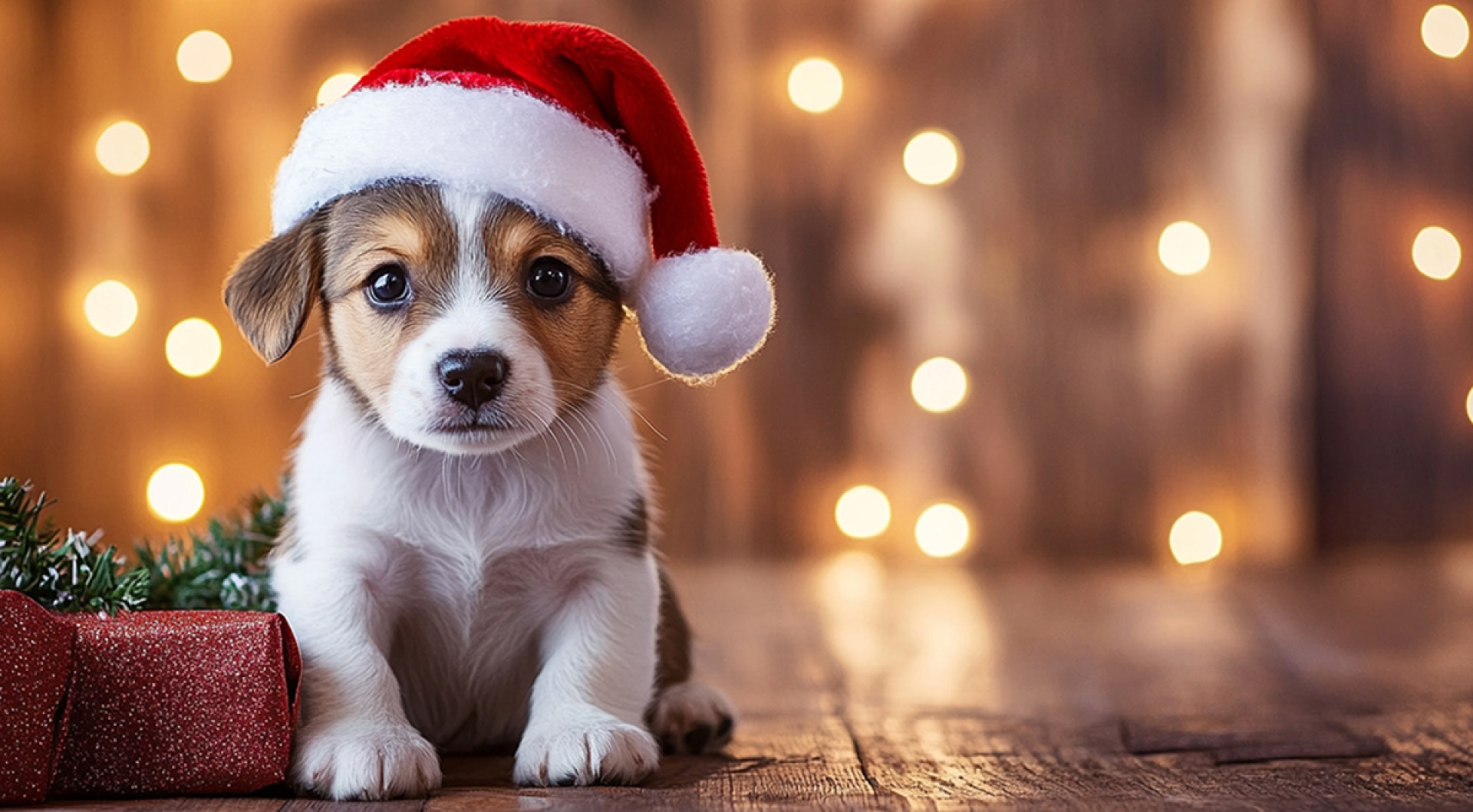
Why Puppies Are Particularly Vulnerable During the Holidays
Puppies are naturally curious creatures who explore the world through their mouths. This instinct, combined with their lack of experience and judgment, makes them especially vulnerable to holiday hazards. The introduction of new sights, smells, and objects during Christmas creates an irresistible playground for investigation. Unlike adult dogs who may have learned what's off-limits, puppies haven't developed these boundaries yet, making puppy proofing holidays absolutely critical.
The excitement and chaos of holiday gatherings can also distract even the most attentive pet owners. When hosting guests or preparing meals, it's easier for a puppy to sneak off and get into trouble. Understanding this vulnerability is the first step in creating a comprehensive safety plan for your home during the festive season.
Here we focus on the holiday season indoors but don’t forget that winter brings its own challenges for puppy safety more generally. Our blog goes over this in detail.
Christmas Plants That Threaten Puppy Safety
Toxic Christmas Plants to Keep Away From Your Puppy
Many traditional holiday plants pose health risks to puppies. Knowing which plants are dangerous and keeping them completely out of reach is essential for maintaining puppy christmas safety throughout the season.
Highly Toxic Plants:
- Poinsettias: While often overstated in terms of toxicity, poinsettias can still cause significant gastrointestinal upset in puppies, including vomiting, drooling, and diarrhea
- Mistletoe: Extremely dangerous and can cause severe vomiting, diarrhea, difficulty breathing, and even cardiovascular problems
- Holly: Both berries and leaves are toxic, potentially causing vomiting, diarrhea, and depression
- Amaryllis: Contains toxins that can cause vomiting, diarrhea, abdominal pain, and tremors
- Christmas Rose (Helleborus): Can cause drooling, abdominal pain, diarrhea, and heart problems
- Yew: One of the most dangerous plants, potentially causing tremors, difficulty breathing, and sudden death
Safe Plant Alternatives for Puppy Households
Instead of risking your puppy's health with toxic christmas plants, consider these safer alternatives that still bring festive cheer to your home:
- Artificial versions of traditional plants
- Christmas cactus (generally non-toxic)
- Spider plants
- Boston ferns
- Orchids
- African violets
Christmas Tree Safety Considerations for Puppies
Securing Your Christmas Tree
The christmas tree puppy safety challenge begins with proper tree stabilization. A falling tree can cause serious injuries, from cuts and bruises to more severe trauma. Consider these essential precautions:
- Use a heavy, stable tree stand that can't be easily tipped over by an enthusiastic puppy
- Anchor your tree to the wall or ceiling using fishing line or decorative ribbon for extra security
- Create a physical barrier around the tree base using a decorative fence or exercise pen
- Position the tree in a corner to limit access points and make it more stable
- Skip the tree skirt initially, as it can be tempting for puppies to pull and play with
Tree Water and Additives
The water in your tree stand presents multiple hazards. It can contain bacteria, mold, fertilizers, or fire retardants that are harmful if ingested. Puppies might see this as a new water bowl, so cover the water reservoir completely or use a tree stand with a closed system that prevents access.
Ornament Selection and Placement
Strategic ornament placement significantly reduces risks associated with holiday decorating when you have a puppy:
- Place fragile glass ornaments on higher branches only
- Use shatterproof ornaments on lower branches
- Avoid edible-looking ornaments that might tempt your puppy
- Skip salt dough ornaments, which puppies find particularly appealing
- Secure all ornaments firmly to branches
- Avoid ornaments with small, detachable parts
Hazardous Christmas Decorations and How to Puppy-Proof Them
Tinsel and Garland Dangers
Tinsel ranks among the most dangerous christmas decoration safety concerns for puppies. Its shiny, dangling appearance makes it irresistible, but ingestion can cause a life-threatening condition called linear foreign body obstruction. This occurs when the tinsel gets caught in the digestive system, causing the intestines to bunch up accordion-style.
Safer alternatives to tinsel:
- Paper chain garlands
- Felt or fabric decorations
- Wide ribbon garlands (supervised only)
- Wooden bead strands
Electrical Cord Management
Light strings and electrical cords present both chewing hazards and strangulation risks. Puppies may chew through cords, risking electrical shock or burns to the mouth and tongue.
Cord safety strategies:
- Cover cords with cord protectors or PVC pipe
- Secure cords along baseboards with cord clips
- Apply bitter apple spray to deter chewing
- Unplug decorations when unsupervised
- Use battery-operated lights when possible
- Keep extension cords hidden behind furniture
Candles and Open Flames
Never leave candles burning unattended when you have a puppy in the home. A wagging tail can easily knock over a candle, and curious puppies may investigate flames, risking burns or starting fires. LED candles provide the same ambiance without the danger.
Holiday Food Hazards That Endanger Puppies
Holiday Foods to Avoid
Many traditional Christmas treats pose serious health risks to puppies. Understanding which foods are dangerous helps you maintain vigilance during holiday gatherings.
Extremely toxic foods:
- Chocolate: Contains theobromine and caffeine, which can cause vomiting, diarrhea, rapid heart rate, seizures, and death
- Xylitol: Found in sugar-free baked goods, this artificial sweetener can cause rapid insulin release, leading to hypoglycemia and liver failure
- Grapes and raisins: Often found in fruitcakes and holiday cookies, these can cause acute kidney failure
- Macadamia nuts: Can cause weakness, vomiting, tremors, and hyperthermia
- Alcohol: Even small amounts can cause serious intoxication in puppies
- Onions and garlic: Common in stuffing and side dishes, these can damage red blood cells
- Raw bread dough: Expands in the stomach and produces alcohol during fermentation
Potty training is particularly challenging during the holiday season. Read our blog all about housetraining your new pet.
Managing Holiday Meals Safely
The kitchen becomes a hub of activity during the holidays, creating multiple opportunities for puppies to access dangerous foods. Implement these strategies to maintain safety:
- Secure trash cans with locking lids
- Never leave food unattended on counters or tables
- Educate guests about not feeding table scraps
- Create a puppy-safe zone away from dining areas during meals
- Prepare puppy-safe treats in advance for when guests are eating
Gift Wrapping Materials and Present Hazards
Dangerous Gift Materials
The excitement of unwrapping presents creates chaos that puppies naturally want to join. However, gift wrapping materials present numerous hazards:
- Ribbons and bows: Can cause intestinal obstruction if swallowed
- Wrapping paper: May contain dyes or chemicals and can cause blockages
- Tape: Sticky residue and adhesive can be harmful
- Gift bags: Handles can create strangulation hazards
- Styrofoam packing materials: Breaks into pieces that can cause choking or blockages
- Silica gel packets: Often included in gift boxes, these can cause stomach upset
Safe Present Opening Protocol
Designate one person to immediately collect and dispose of wrapping materials as gifts are opened. Consider confining your puppy to a separate room during the present-opening frenzy, then allowing them to join the celebration once all materials are cleared away.
Creating a Safe Holiday Space for Your Puppy
Establishing Puppy-Free Zones
Designating certain areas as completely off-limits during the holidays provides a practical approach to puppy proofing holidays. Use baby gates or closed doors to restrict access to rooms with the most decorations or where you're storing wrapped gifts.
Setting Up a Puppy Sanctuary
Create a comfortable, quiet space where your puppy can retreat when the holiday excitement becomes overwhelming:
- Include familiar bedding and toys
- Provide fresh water and appropriate chew toys
- Ensure adequate ventilation and comfortable temperature
- Use calming music or white noise if needed
- Make this space accessible at all times
Recognizing Signs of Holiday-Related Emergencies
Symptoms Requiring Immediate Veterinary Attention
Understanding the signs of poisoning or injury helps you react quickly in an emergency. Contact your veterinarian immediately if you observe:
- Vomiting or diarrhea
- Excessive drooling
- Difficulty breathing
- Weakness or lethargy
- Tremors or seizures
- Loss of coordination
- Changes in heart rate
- Abdominal pain or distension
- Inability to defecate
Preparing for Holiday Emergencies
Before the holiday season arrives, prepare for potential emergencies:
- Program your veterinarian's number and the nearest emergency clinic into your phone
- Know the location of the closest 24-hour emergency veterinary hospital
- Keep the Pet Poison Helpline number accessible (855-764-7661)
- Assemble a pet first aid kit
- Take current photos of your puppy in case they escape during holiday chaos
Frequently Asked Questions
What should I do if my puppy eats something dangerous during the holidays?
Contact your veterinarian or the Pet Poison Helpline immediately if your puppy consumes something potentially toxic. Don't wait for symptoms to appear, as early intervention significantly improves outcomes. Identify exactly what was consumed and approximately how much if possible. Never induce vomiting without veterinary guidance.
How can I exercise my puppy safely during cold winter holidays?
Adjust your exercise routine with shorter, more frequent walks rather than extended outdoor sessions. Consider indoor alternatives like hallway fetch, training practice, puzzle toys, or climate-controlled puppy playdates. Monitor for signs of being too cold, including shivering or lifting paws off the ground.
Are artificial Christmas trees safer than real ones for puppies?
Both tree types present challenges, but artificial trees eliminate concerns about tree water toxicity and falling needles that can puncture paws or cause digestive issues. However, artificial trees still need secure anchoring, and puppies may chew plastic branches. Your best choice depends on your puppy's behavior, but both require careful monitoring.
Can I include my puppy in holiday photos safely?
Yes, with proper precautions. Avoid flash photography, keep sessions brief, and ensure all props are non-toxic and secured. Never force your puppy into uncomfortable positions or costumes. Have treats ready for positive reinforcement and watch for stress signs like excessive panting or yawning.
What are the most commonly overlooked holiday hazards for puppies?
Frequently overlooked hazards include liquid potpourri (causes severe burns), snow globes containing antifreeze, gift bags with rope handles (strangulation risk), batteries in decorations, and certain holiday plants like amaryllis. Also watch for relatives' medications, room fresheners, scented candles, and essential oil diffusers that can cause respiratory irritation.
Conclusion
The effort you invest in Christmas decoration safety and overall holiday preparation pays dividends in peace of mind and helps ensure your puppy's first holidays are filled with joy rather than trips to the emergency veterinarian. Stay vigilant, educate your family and guests, and maintain your puppy's routine as much as possible throughout the season.
If you need guidance on keeping your puppy safe during the holidays or have concerns about your puppy's health and behavior, don't hesitate to reach out to our team. We're here to help you navigate every season of puppyhood successfully.