Understanding Puppy Teeth Development
To manage teething effectively, it helps to understand what is happening developmentally. Puppies are born without teeth, and their first set of baby teeth, called deciduous teeth, begin to erupt around three to four weeks of age. By the time most puppies arrive at their new homes between eight and ten weeks old, they already have a full set of 28 needle-sharp baby teeth.
The real teething challenge, however, begins around three to four months of age, when those sharp little baby teeth start falling out and the 42 permanent adult teeth begin pushing through. This process triggers discomfort in your puppy's gums, and chewing is their primary way of relieving that pressure.
The Puppy Teeth Development Timeline
Understanding the teething timeline helps you anticipate what is coming rather than react to it in surprise:
- 3 to 4 weeks: Baby teeth begin to emerge
- 6 to 8 weeks: Full set of 28 deciduous (baby) teeth is present
- 3 to 4 months: Baby teeth begin to loosen and fall out; permanent teeth start erupting
- 4 to 5 months: The incisors and canine teeth are replaced; chewing behavior peaks
- 5 to 6 months: Premolars and molars push through; the back of the mouth can be sore
- 6 to 7 months: Most puppies have their full set of 42 adult teeth in place
The most intense phase of teething puppy chewing typically occurs between three and six months of age. During this window, your puppy is not misbehaving. They are responding to a very real physical sensation, and they need your help to navigate it appropriately.
Why Puppies Chew So Much
Chewing during teething serves several functions beyond simple pain relief. It helps loosen baby teeth that are ready to fall out, encourages blood flow to the gums, and stimulates the proper eruption of permanent teeth. But chewing also has a behavioral component that exists independently of teething entirely.
Puppies explore the world primarily through their mouths. Long after the teething phase has passed, chewing remains a natural outlet for curiosity, boredom, anxiety, and excess energy. This is why addressing chewing during the teething phase is not just about protecting your belongings in the short term. It is also an opportunity to establish lasting habits around appropriate chewing behavior.
Choosing the Right Teething Toys for Puppies
The teething toys puppies actually use are the ones that satisfy the specific sensory need they are experiencing. Not every toy is appropriate for every stage, and choosing the right type matters for both safety and effectiveness.
Types of Teething Toys
Rubber chew toys: High-quality rubber toys that can be stuffed with food or frozen are among the most recommended options for teething puppies. The texture provides gum relief, the food reward keeps the puppy engaged, and the durability means you are not picking up pieces of shredded toy from your floor.
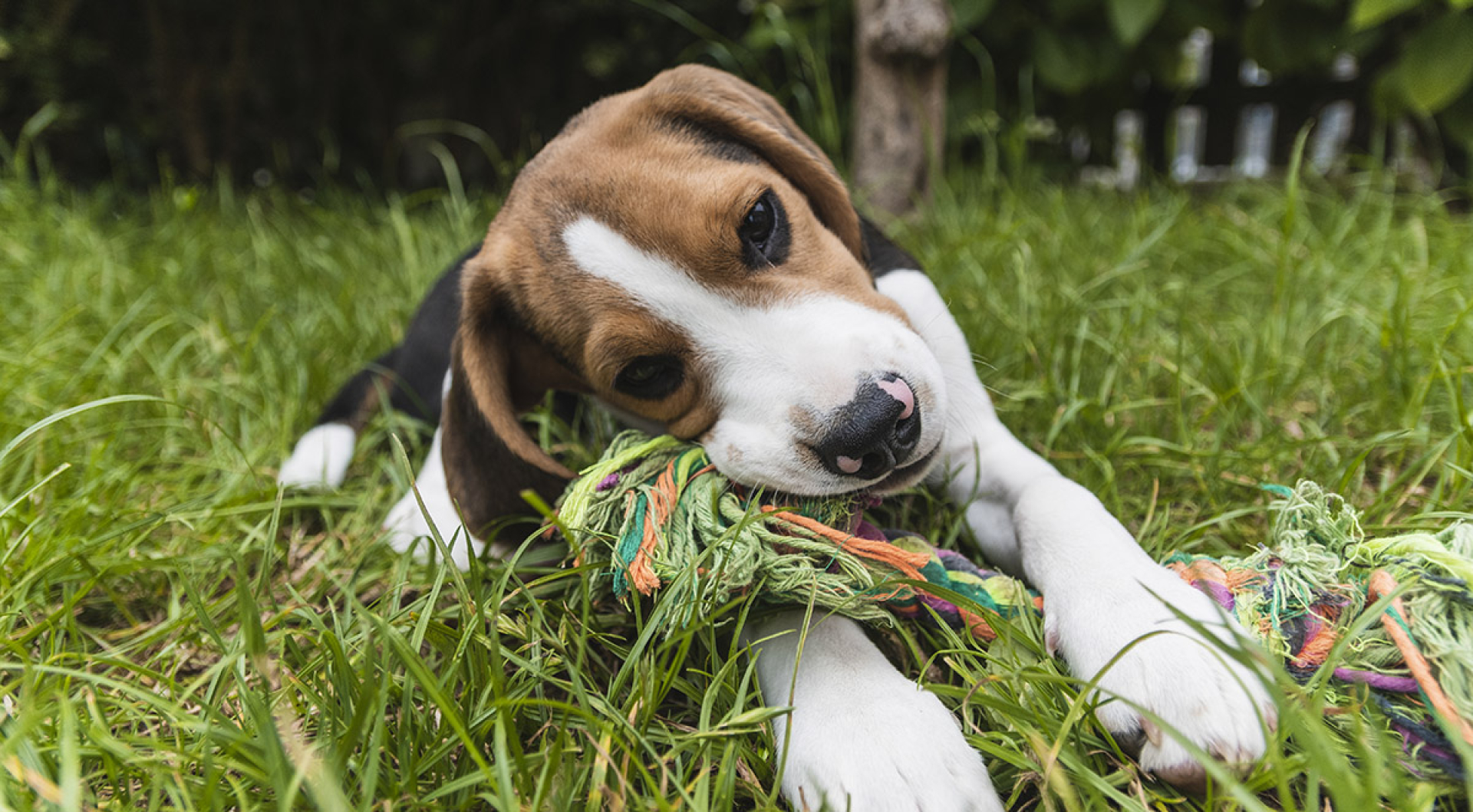
Rope toys: Rope toys provide a satisfying texture for puppies and can be particularly effective when dampened and frozen. The cold temperature adds an extra layer of soothing relief for inflamed gums. Supervise your puppy during rope toy use, however, as swallowed fibers can cause digestive issues.
Nylon chew toys: Designed specifically for teething, nylon chews are tough enough to withstand puppy chewing while being gentle enough not to damage emerging teeth. Look for products rated for your puppy's size and age.
Frozen items: A clean, wet washcloth twisted and frozen can offer significant gum relief. Some owners also freeze low-sodium broth in an ice cube tray. The cold helps reduce inflammation and temporarily numbs sore gum tissue.
What to Avoid
- Toys with small pieces that can break off and be swallowed
- Very hard objects like real bones, antlers, or hooves, which can fracture baby teeth
- Old shoes or clothing items, which teach your puppy that human belongings are fair game
- Any toy too large or too small for your puppy's current size
Protecting Your Home During the Chewing Phase
One of the most practical aspects of any puppy teething guide is the home management strategy. Even with the best toys available, puppies will occasionally make poor choices. Setting your space up thoughtfully reduces the opportunities for those choices to cause real damage.
Puppy-Proofing Essentials
Consider walking through each room of your home from a puppy's perspective. Look for anything at nose and mouth level that is either valuable or potentially dangerous. The most common targets for teething puppies include:
- Electrical cords and charger cables
- Baseboards and chair legs
- Shoes left near the door
- Children's toys on low shelves
- Remote controls and eyeglasses
- Plants, some of which can be toxic if chewed
Use cord covers or cord management solutions to protect electrical cables. Baby gates or exercise pens can create a safe, contained environment when you cannot supervise your puppy directly. When you are home and able to watch, keep your puppy nearby rather than giving them unsupervised access to the whole house.
Puppy Dental Health During Teething
The teething phase is also the ideal time to establish good puppy dental health habits that will last a lifetime. Many adult dogs resist having their teeth brushed simply because no one introduced it during puppyhood. Starting early makes a significant difference.
Getting Started with Dental Care
Begin by simply handling your puppy's mouth. Touch their lips, lift their gums, and let them get comfortable with the sensation before you ever introduce a toothbrush. Offer plenty of praise and small treats to build a positive association.
Once your puppy is comfortable, introduce a finger brush or a puppy-specific toothbrush with dog-safe toothpaste. Never use human toothpaste, as it contains ingredients like xylitol and fluoride that are toxic to dogs.
Aim to brush two to three times per week at minimum, and daily if possible. Dental chews and water additives can supplement brushing but should not replace it entirely.
Monitoring Tooth Development
Keep an eye on your puppy's mouth during the teething phase, not just for behavioral reasons but for health ones. Occasionally, baby teeth do not fall out when they should, and a retained baby tooth can cause overcrowding and alignment issues with the permanent teeth. This is more common in smaller breeds but can happen in any dog.
If a baby tooth is still in place after the adult tooth has fully emerged beside it, consult your veterinarian. Retained teeth are typically extracted before they cause longer-term dental problems.
You may also notice your puppy swallowing their baby teeth, which is completely normal. Baby teeth are small and pose no digestive risk in most cases.
Read our blog about how to build a strong bond with your new puppy.
When Chewing Continues After Teething Ends
Most of the time, chewing behavior does decrease significantly once the permanent teeth are fully in place, typically by seven months of age. But some dogs continue chewing destructively into adulthood if the habit was never properly redirected during puppyhood, or if their underlying needs for exercise and mental stimulation are not being met.
If your puppy reaches the one-year mark and is still engaging in significant destructive chewing, it is worth evaluating whether they are getting enough physical activity, enough mental enrichment, and enough appropriate outlets for their chewing instinct. Puzzle feeders, training sessions, and increased exercise can address behavioral chewing that has persisted past the teething window.
Read our ultimate guide to puppy socialization.
Frequently Asked Questions About Puppy Teething
How long does puppy teething last?
The active teething phase generally runs from about three months of age to six or seven months, when the adult teeth are fully erupted. The most intense period of discomfort and chewing behavior typically peaks between four and five months. By seven months, most puppies have their complete adult dentition and the teething-related chewing begins to taper off noticeably.
Is it normal for puppies to bleed when they are teething?
Light spotting on chew toys or in the water bowl is normal and expected during teething. As baby teeth loosen and fall out, minor gum bleeding can occur. However, significant or persistent bleeding, swelling, or signs of pain that seem beyond typical teething discomfort are worth a call to your veterinarian to rule out other causes.
What are the best chewing solutions for teething puppies?
The most effective chewing solutions combine physical satisfaction with the right texture and temperature. Frozen rubber chew toys stuffed with food, frozen wet washcloths, and appropriately sized nylon chews are consistently well-regarded options. Rotating between several different types of teething toys puppies can engage with helps maintain interest and ensures your puppy always has an appropriate outlet available.
Should I be concerned if my puppy is not losing teeth on schedule?
Puppy teeth development follows a general timeline, but individual variation is normal. If you are not sure whether your puppy is progressing appropriately, your veterinarian can examine the mouth at a routine visit and confirm that everything looks on track. If a retained baby tooth is detected, prompt extraction typically prevents any lasting issues.
How do I get my puppy to stop chewing on me?
Mouthing and nipping during teething is very common and stems from the same impulse as chewing on objects. Consistently redirecting your puppy to a toy the moment they begin mouthing you is the most effective approach. Yelping or saying "ouch" in a clear tone can help communicate that biting hurts, since puppies learn bite inhibition partly through reactions from their littermates. With patience and consistency, most puppies significantly reduce mouthing behavior by five to six months of age.
Can I brush my puppy's teeth while they are still teething?
Yes, and starting during the teething phase is actually ideal. Gentle handling of the mouth from an early age builds the positive association that makes tooth brushing easier throughout your dog's life. Use a puppy-appropriate toothbrush or finger brush and only dog-safe toothpaste. Keep early sessions very short and reward your puppy generously to make it a positive experience.
Conclusion
Puppy teething is one of those experiences that every new dog owner goes through, and with the right information, it does not have to be a source of major stress or property damage. Understanding the puppy teeth development timeline helps you anticipate the most challenging weeks rather than react to them. Providing the right teething toys, managing your environment thoughtfully, and prioritizing puppy dental health from the very start gives your puppy every advantage as they grow.
This phase is temporary, but the habits and trust you build during it are lasting. With consistency, empathy, and a well-stocked supply of appropriate chew toys, you and your puppy will come out the other side with your shoes intact and your bond stronger than ever.
If you have questions about bringing home a new puppy or want to learn more about what to expect in those early months, the team at Healthy Pups is here to help. Reach out to us through our contact page and we would be happy to talk through anything on your mind.